
Signs Your Pet Needs an Emergency Vet
The symptoms that mean you should go straight to an emergency vet, common poisons to know about, and what to do on the way.
 Pet365 team · 2 min read
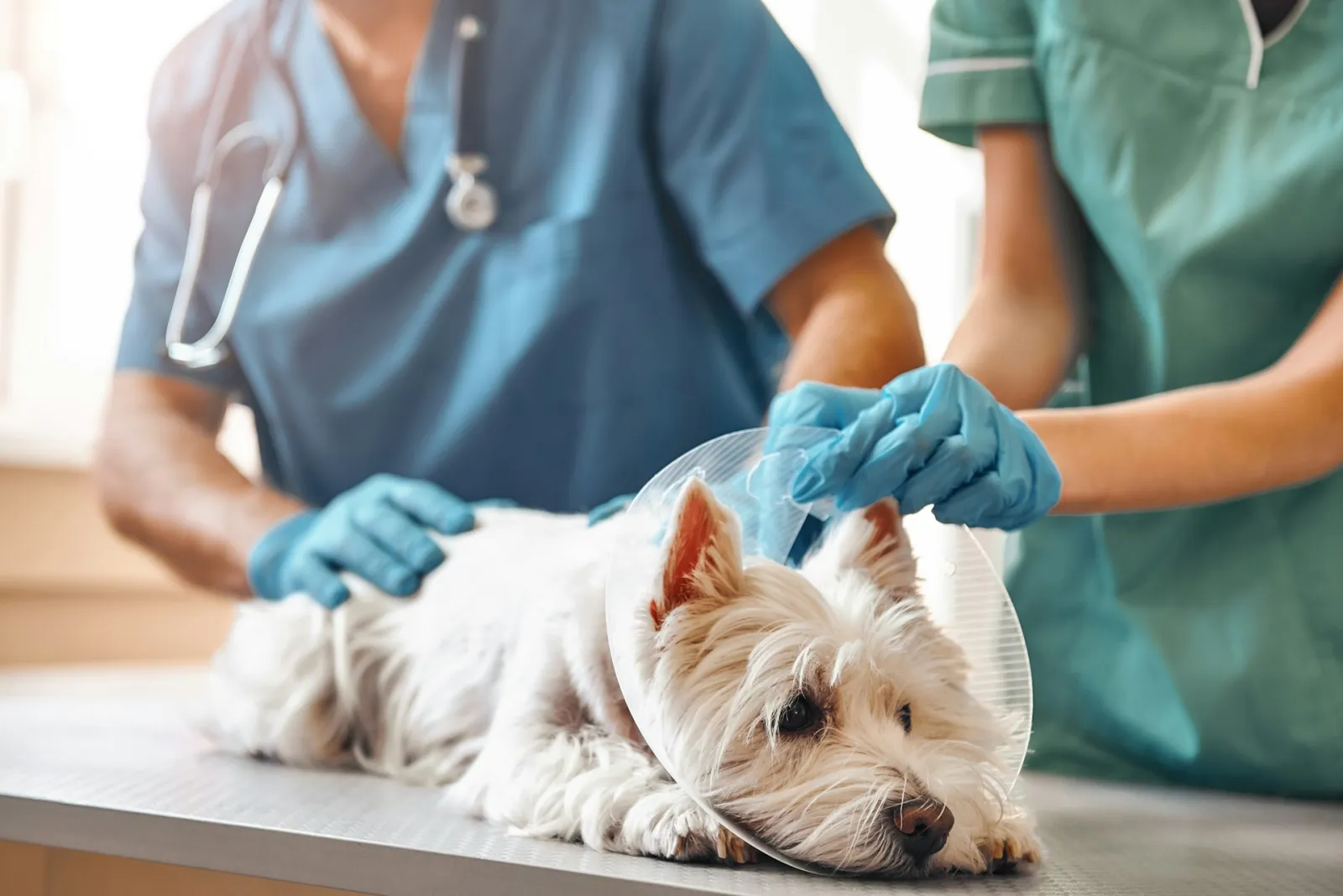
Some symptoms can't wait for a phone call or an online chat. If your dog or cat has any of the signs below, contact your nearest emergency vet straight away. In the UK, many practices share an out-of-hours emergency service, so save that number in your phone now, before you need it.
Go straight to an emergency vet if your pet has:
- Difficulty breathing: struggling to breathe, breathing with an open mouth (especially in cats), or blue or very pale gums
- Collapsed or lost consciousness, or can't stand up
- A seizure, especially one that lasts more than a few minutes or several in a row
- Heavy bleeding that won't stop with firm pressure
- Severe trauma, such as being hit by a car or a bad fall, even if they seem fine afterwards
- A swollen, hard belly with retching that brings nothing up, especially in large, deep-chested dogs
- Straining to pee with little or nothing coming out. This is especially urgent in male cats.
- Suspected poisoning (see below)
- Signs of heatstroke: heavy panting, drooling, weakness or collapse on a hot day or after exercise
- An eye injury, or an eye that suddenly looks very different
- Difficulty giving birth, such as straining without producing a puppy or kitten
Common poisons to know about
If you think your pet has eaten or been exposed to any of these, contact a vet straight away, even if they seem well:
- Chocolate, especially dark chocolate and cocoa
- Xylitol, a sweetener found in some sugar-free gum, sweets and peanut butters
- Grapes, raisins, sultanas and currants, including in cakes and hot cross buns
- Human painkillers, such as ibuprofen and paracetamol
- Lilies, which are very dangerous to cats. Even pollen or water from the vase can be harmful.
- Antifreeze and rat or slug poisons
- Dog flea treatments used on cats (some contain permethrin, which is toxic to cats)
What to do on the way
- Stay calm and keep your pet still and warm, unless they're overheated.
- Call ahead if you can, so the team is ready for you.
- Bring any packaging from what your pet ate, or a photo of the plant or product.
- Don't try to make your pet sick unless a vet tells you to. It can do more harm than good.
- Handle injured pets carefully. Pets in pain may bite, even if they never normally would.
Not sure if it's an emergency?
That's where a virtual vet can help. Pet365's AI triage asks about the symptoms and will tell you straight away if they point to an emergency, so you know whether to head to a clinic now or whether it can wait. But Pet365 isn't designed for emergencies, so if your pet has any of the signs above, don't wait. Go.
For everything else, from a limp to an upset stomach, read how a virtual vet visit works.
Frequently asked questions
Can I use a virtual vet in an emergency?
Should I call the emergency vet before I go?
What if my pet seems fine after eating something toxic?
This article is general information, not a diagnosis. Every pet is different. If you're worried about your pet, speak to a vet. In an emergency, contact your nearest emergency vet straight away.


